
Luck versus skill what really drives success in gambling
Understanding the Role of Luck in Gambling
Luck plays a significant role in gambling, as many games are inherently designed with elements of chance. Whether it’s rolling dice, spinning a roulette wheel, or dealing cards, the unpredictable nature of these outcomes can lead to massive wins or devastating losses. Many players rely on the belief that luck is a primary determinant of success, often attributing their wins to fortunate circumstances beyond their control. In fact, trying out an ice fishing casino game can be a fun way to experience this thrill.

However, it’s essential to recognize that while luck is a crucial factor, it can also create a false sense of security. Gamblers may find themselves on winning streaks that lead to overconfidence, ignoring the risk of losing streaks that can follow. Understanding this balance between luck and the realities of chance is vital for anyone engaging in gambling.
The Importance of Skill in Gambling
While luck is unavoidable, skill can substantially influence the outcome of many gambling activities. Skilled players often employ strategies, analyze patterns, and utilize mathematical concepts to improve their chances of winning. Games like poker and blackjack require knowledge of odds, bluffing, and decision-making, showcasing how skill can shape the gambling experience.
Moreover, the ability to manage one’s bankroll effectively is a skill that can dictate long-term success. Players who can control their emotions and make informed decisions are more likely to achieve favorable results over time. Thus, while luck can offer temporary gains, skill serves as a foundation for sustainable success in gambling.
Strategies for Various Games
Different gambling games require distinct strategies for success. In poker, for instance, understanding your opponents and reading their behavior can provide a significant advantage. Bluffing, betting patterns, and position play are critical components that skilled players leverage to outsmart less experienced opponents.
On the other hand, in games like blackjack, employing strategies like card counting can provide an edge over the house. These tactics exemplify how skill can mitigate the role of luck, allowing players to make decisions that influence their chances of winning. Tailoring strategies to specific games can significantly enhance a player’s overall experience and success rate.
The Psychological Aspect of Gambling
The psychology behind gambling is another critical factor that intertwines luck and skill. Many players experience a phenomenon known as the “gambler’s fallacy,” where they believe past outcomes influence future results. This cognitive bias can lead to poor decision-making and reliance on luck instead of skill.
Additonally, the emotional highs and lows associated with gambling can affect judgment. A skilled player must maintain discipline and avoid letting emotions dictate their actions. Understanding the psychological factors at play can help individuals develop a more balanced approach to gambling, relying on skill rather than purely on luck.
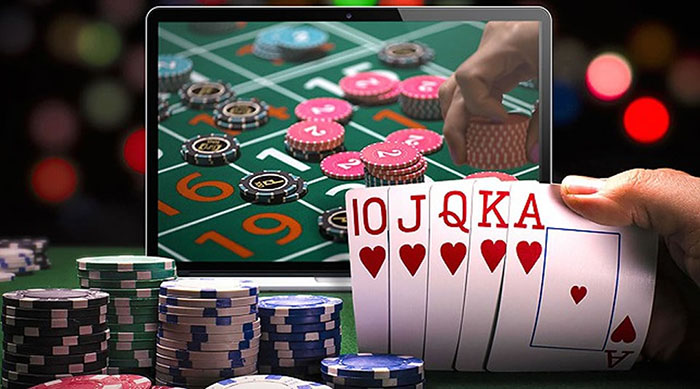
Explore Our Platform for Winning Insights
Our website is dedicated to providing players with the knowledge and tools needed to navigate the complex world of gambling. Whether you are a novice or an experienced player, our resources cover a range of strategies, game mechanics, and tips to enhance your gaming experience. We aim to empower players to make informed decisions and develop skills that can lead to success.
Join our community today to access valuable insights, stay updated on the latest trends, and discover various games tailored for different skill levels. With the right combination of luck and skill, your journey in gambling can be both rewarding and enjoyable.