
The Allure of Casino Games
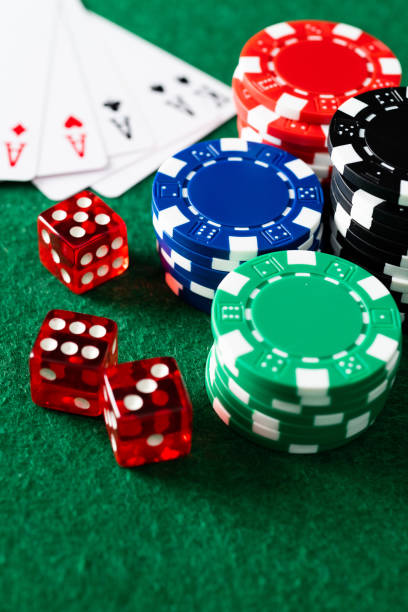
Casino games have an undeniable draw for many people, steeped in excitement and the potential for reward. The thrill of the gamble, combined with the vibrant atmosphere of casinos, creates a unique experience that attracts players from all walks of life. This allure often stems from the combination of risk and reward—a fundamental aspect of human psychology that compels individuals to engage in activities that may yield significant benefits, such as online casinos and traditional venues alike.

Moreover, the sensory stimulation provided by casinos plays a pivotal role in attracting players. The bright lights, captivating sounds of slot machines, and the energy of fellow gamblers create an immersive environment. These elements heighten the excitement, making the gaming experience not just about winning money, but about the overall thrill of being part of an electrifying atmosphere.
The Role of Emotion in Gambling
Emotion is a key player in the psychology of gambling. Many individuals turn to casino games as a means of escape from daily stresses or as a source of entertainment. The adrenaline rush associated with placing a bet can temporarily elevate mood and provide a distraction from life’s challenges. This emotional connection is often reinforced by the anticipation of a win, which can lead to increased engagement in gambling activities.
Additionally, the euphoric feelings associated with winning can be addictive. The brain releases dopamine—a neurotransmitter linked to pleasure and reward—when players win, creating a cycle that encourages continued participation. This emotional rollercoaster is a crucial factor in why individuals return to casinos, often seeking to replicate that initial high.
The Social Aspect of Gambling
Gambling is not merely an individual endeavor; it is often a social activity that fosters connections between players. Many people enjoy the camaraderie that comes from playing games like poker or blackjack with friends or even strangers. The social dynamics of these games can enhance the enjoyment and create a sense of community among players.
This social aspect is further amplified in live casino settings, where interactions with dealers and fellow players can lead to memorable experiences. For many, the social interactions are just as important as the thrill of the game itself. This shared experience can provide a sense of belonging and fulfillment that keeps players returning for more, solidifying their bond with the casino environment.
Behavioral Patterns in Gambling
The patterns and habits that emerge among gamblers are fascinating and often reveal deeper psychological insights. Many players develop rituals or specific strategies when approaching games, believing these habits can influence outcomes. This behavior connects to the human desire for control in uncertain situations, leading individuals to create routines that provide comfort.
Moreover, the concept of “near misses”—when players come close to winning—can reinforce gambling behavior. This phenomenon keeps players engaged as they chase the elusive win, often leading to higher spending. Understanding these behavioral patterns can shed light on why casinos are designed the way they are, catering to the psychological tendencies of players to maximize engagement and profitability.
Exploring Resources at AustralianAid.org
As we navigate the complexities of gambling psychology, it is crucial to understand the variety of resources available to support responsible gaming. AustralianAid.org plays a vital role by providing essential information related to various aid initiatives, including resources for individuals seeking help in managing their gambling behaviors.
By fostering awareness and understanding of gambling psychology, AustralianAid.org contributes to a safer gaming environment. Visitors can access valuable materials and learn more about responsible gambling practices, ensuring that they remain informed about the potential risks associated with casino games while also enjoying the entertainment they provide.